Humane Bird and Bat Deterrent Methods for Large Buildings
People seeking humane bird and bat deterrent methods for large buildings aim to safely prevent pest roosting, with local service providers offering effective, humane solutions tailored to their needs.
Visitors exploring humane bird and bat deterrent methods for large buildings are in the right place. Property owners in the area often face challenges with birds and bats roosting on or around their structures, which can lead to property damage, health concerns, or nuisance issues. Implementing effective, humane deterrent strategies is a practical way to address these concerns while respecting wildlife. Local contractors specializing in bird and bat deterrent methods can provide tailored solutions that help maintain the integrity of the building’s exterior and ensure a safe environment for everyone.
Continuing to read can reveal valuable insights into how humane methods work and why partnering with experienced service providers makes a difference. These professionals understand the unique needs of large buildings and can recommend humane techniques that discourage birds and bats without harm. Whether it’s installing physical barriers, visual deterrents, or other humane strategies, local experts are equipped to handle the job efficiently. Learning more about these options can help property owners make informed decisions that align with their goals for a pest-free, wildlife-friendly building.
- Humane bird and bat deterrent methods for large buildings are often needed when birds or bats are roosting on expansive rooftops or building facades, and local contractors use non-lethal techniques to encourage them to relocate. Humane bird and bat deterrent methods for large buildings are sought when pest birds or bats have established colonies that threaten building integrity, with service providers installing physical barriers or visual deterrents. Humane bird and bat deterrent methods for large buildings are used in situations where ongoing bird or bat activity causes health concerns or property damage, and local pros employ humane exclusion devices to solve the issue. Humane bird and bat deterrent methods for large buildings are necessary when large-scale nesting or roosting interferes with building operations, with specialists implementing humane deterrent systems tailored to the structure. Humane bird and bat deterrent methods for large buildings are often requested when building managers want to prevent future bird or bat problems without harming the animals, and local service providers focus on humane, long-term solutions.
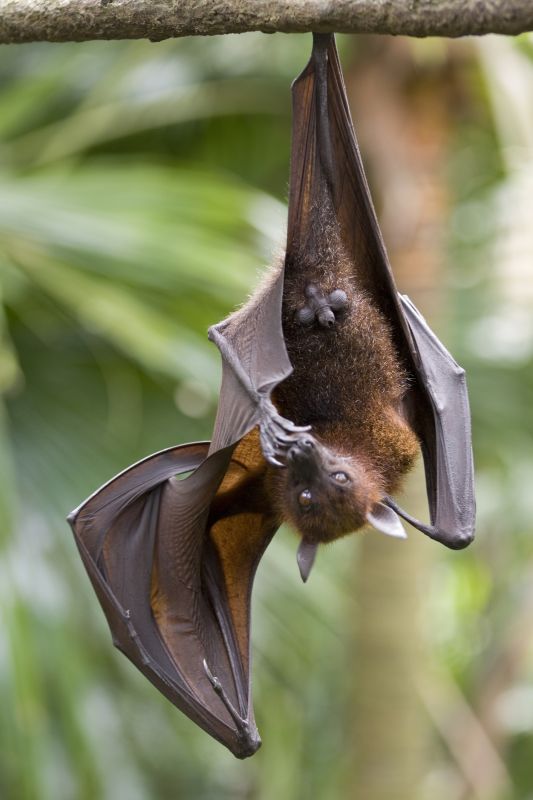
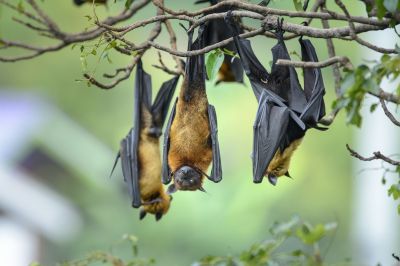

When people search for humane bird and bat deterrent methods for large buildings, they are often looking for ways to prevent these animals from roosting, nesting, or gathering on their property without causing harm. Large buildings, such as commercial complexes, warehouses, or institutional facilities, can attract flocks of birds or colonies of bats, leading to issues like droppings, noise, and potential damage to the structure. Property owners and managers seeking humane solutions typically want to address these problems while respecting animal welfare and complying with local regulations. This search often stems from a desire to find effective, non-lethal methods that discourage birds and bats from settling in certain areas, especially on rooftops, ledges, or building facades.
The problems related to large buildings and bird or bat presence can vary widely. For instance, accumulated droppings can create safety hazards, damage building materials, or lead to health concerns due to potential pathogen exposure. Bats and birds may also interfere with building operations or maintenance, prompting the need for strategic planning. Property owners might be considering plans to retrofit existing structures or installing deterrent systems as proactive measures. These projects typically involve assessing the building’s architecture and identifying key areas where animals tend to gather, then implementing humane deterrent methods that discourage nesting or roosting without harming the animals.
Properties that commonly come up in discussions about humane bird and bat deterrent methods include commercial office buildings, industrial warehouses, hospitals, schools, and large residential complexes. These structures often have extensive ledges, eaves, or rooftop spaces that provide ideal roosting spots for birds and bats. Additionally, historic buildings with architectural features like cornices or decorative facades may be particularly vulnerable to animal activity. Local service providers who specialize in humane deterrent solutions frequently work with building owners, property managers, and facility maintenance teams to develop tailored strategies that fit the unique needs of each property and its specific challenges.
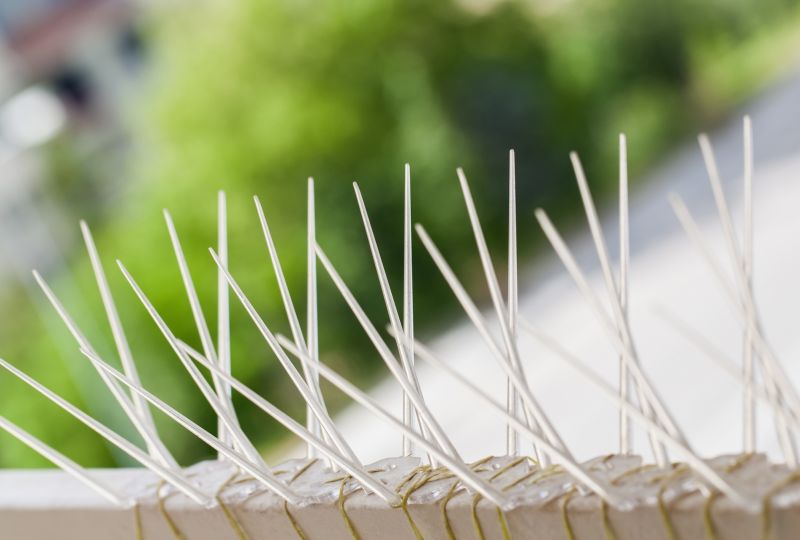
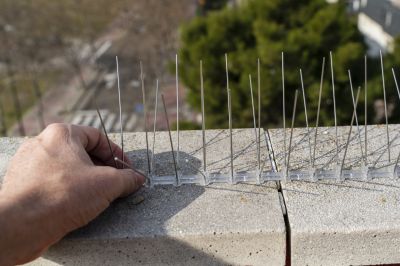
Humane bird and bat deterrent methods for large buildings involve a range of techniques designed to make the environment less attractive to these animals. These can include installing physical barriers such as bird netting or spines, using visual or auditory deterrents that scare animals away, and modifying the structure to eliminate roosting sites. Local contractors experienced in humane methods understand how to evaluate each building’s features and select the most appropriate solutions. They help property owners implement these strategies effectively, ensuring that the animals are discouraged from settling in the future while avoiding the use of harmful or lethal measures. This approach supports long-term management of bird and bat activity in a way that aligns with humane practices and property maintenance goals.
Bird exclusion projects involve installing physical barriers like netting and screens, which are techniques also used in humane bird deterrent methods for large buildings to prevent roosting and nesting.
Wildlife habitat modification focuses on altering environments to make them less attractive to birds and bats, aligning with planning skills needed for humane deterrent strategies on large structures.
Bird spike installation services utilize physical deterrents that are commonly employed in humane bird deterrent methods to keep birds from landing on building ledges and facades.
Bat exclusion and removal projects require careful planning and humane techniques similar to those used in humane bat deterrent methods for large buildings to ensure safe and effective exclusion.
Ultrasound and visual deterrent installation involve the use of devices that can be integrated into humane bird and bat deterrent strategies to discourage roosting and nesting behaviors.
Building retrofit and sealing efforts include sealing entry points and gaps, a planning skill essential for implementing humane deterrent methods that prevent birds and bats from accessing large structures.
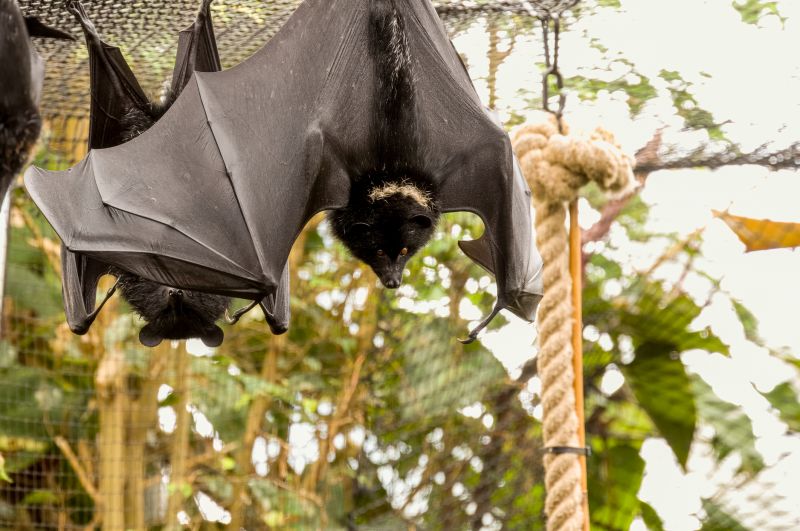
When comparing service providers for humane bird and bat deterrent methods for large buildings, it’s important to consider their experience with similar projects. A contractor who has handled large-scale bird and bat exclusion in buildings comparable to your property is likely to understand the unique challenges involved and be familiar with effective humane deterrent techniques. Asking about their past work can help determine if they have the practical knowledge needed to address the specific needs of your building, ensuring that the methods employed are both effective and appropriate for large-scale applications.
Clear written expectations are essential when evaluating local contractors for humane bird and bat deterrent services. A reputable service provider should be able to outline the scope of work, the specific deterrent methods they plan to use, and any steps involved in the process. Having these details in writing helps prevent misunderstandings and provides a reference point throughout the project. It also allows homeowners to compare proposals more effectively, ensuring that the chosen contractor’s approach aligns with their goals for humane and effective deterrent solutions.
Reputable references and good communication are key factors to consider when selecting a service provider. Speaking with previous clients or reviewing references can provide insight into the contractor’s reliability, professionalism, and ability to deliver quality results. Additionally, a contractor who communicates clearly and promptly can make the process smoother and more transparent. This openness helps ensure that homeowners are well-informed about the options available for humane bird and bat deterrent methods and can make confident decisions based on comprehensive information.
Property owners often search for humane bird and bat deterrent methods for large buildings when they are planning practical projects around their homes and businesses. Local pros provide Humane Bird and Bat Deterrent Methods services for everyday jobs and straightforward project options.
Property owners managing large buildings often encounter challenges with birds and bats roosting in unwanted areas, which can lead to property damage, health concerns, or simply an inconvenience. Many individuals seek humane bird and bat deterrent methods for large buildings to address these issues effectively while avoiding harm to the animals. Local contractors specializing in these humane methods can provide practical solutions that help keep pests away without causing injury or distress, making them a preferred choice for those prioritizing ethical pest management.
People searching for humane bird and bat deterrent methods might be facing ongoing problems with nesting or roosting sites on their properties. They often look for experienced service providers who understand the unique needs of large structures and can recommend non-lethal, effective deterrent techniques. Connecting with local service providers ensures access to tailored solutions that respect wildlife while maintaining building integrity, offering property owners peace of mind and a responsible approach to pest control.
What are humane bird and bat deterrent methods for large buildings? Humane bird and bat deterrent methods for large buildings include non-lethal techniques such as visual deterrents, acoustic devices, and physical barriers designed to prevent roosting or nesting without causing harm.
How can local service providers help with humane bird and bat deterrent methods? Local contractors can assess building structures and implement effective, humane deterrent solutions tailored to specific bird and bat species, ensuring humane removal and prevention strategies.
Are humane deterrent methods effective for large buildings? Yes, when properly installed and maintained by experienced service providers, humane deterrent methods can effectively reduce bird and bat presence on large buildings without causing injury or distress.
What types of humane deterrent devices are used for large buildings? Common devices include visual scare devices like reflective tapes or predator decoys, sonic deterrents, and physical modifications such as netting or spike strips that discourage roosting areas.
Why should I choose humane bird and bat deterrent methods for large buildings? Humane methods help prevent damage and health concerns associated with bird and bat colonies while ensuring animals are treated ethically, with local service providers capable of implementing these solutions safely and effectively.
Bird and Bat Deterrent Devices - Installing humane deterrent devices like visual or auditory repellents can help discourage birds and bats from roosting on large building exteriors with the help of local contractors.
Exclusion and Barrier Methods - Using humane exclusion techniques such as netting or one-way doors can prevent birds and bats from establishing nesting sites, with local service providers handling the installation.
Habitat Modification Strategies - Removing or modifying potential roosting habitats on large structures can reduce attractants, and local pros can assist with safe and humane habitat adjustments.
Regular Inspection and Maintenance - Scheduling routine checks for humane deterrent systems ensures ongoing effectiveness, with local contractors providing maintenance services tailored to large building needs.
If you are thinking about humane bird and bat deterrent methods for large buildings for a property, this guide is meant to help you understand this topic, the typical project types, and how different options might fit your plans.
When you are ready, you can use the quote form on this page to share a few details about your project. From there, local pros can review the basics and follow up with options that match what you have in mind.